
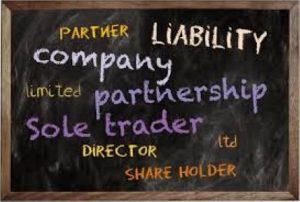
Sole Trader:
Legal Status: You = the business
Liability: Unlimited (your assets are at risk)
Tax Paid: Income Tax on all profits
Privacy: High (Accounts are private)
Admin: Low (Self-Assessment)

Limited Company (Ltd):
Legal Status: Separate legal entity
Liability: Limited to your investment
Tax Paid: Corporation Tax on profits
Privacy: Low (Filed at Companies House)
Admin: High (Accounts, Filings, Payroll)
Partnership / LLP
Legal Status: Partners/Separate entity
Liability: Joint (Partnership) / Limited (LLP)
Tax Paid: Income Tax on shared profits
Privacy: Private (P) / Public (LLP)
Admin: Moderate to High
This is the default for most freelancers and small trades. You keep all profits after tax and have full control.
Tax Strategy: You can pay yourself a low salary (to minimize National Insurance) and the rest in dividends. However, with Corporation Tax rates now between 19% and 25%, the tax “savings” compared to a sole trader are smaller than they used to be.
Best for: Businesses with high overheads, those wanting to hire staff, or those planning to sell the business later.
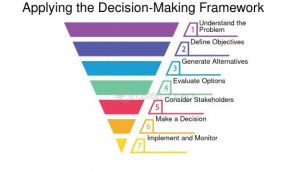
- How much risk am I taking? * Low risk (e.g., graphic designer working from home) → Sole Trader is usually fine.
- High risk (e.g., construction, high-value contracts) → Limited Company is safer.
2. How much do I expect to earn?
Under £30k–£40k profit → The admin costs of a company often outweigh the tax benefits.
Over £50k profit → A Limited Company or LLP becomes more attractive for tax planning.
3. Do I need a “professional” image?
- Some large corporate clients refuse to work with sole traders and require you to be a Limited Company.